What’s the upside in this stock?
Reverse-engineer what’s priced into any biotech and map its catalysts. Screen a name for upside, or convert your fundamental research into estimated risk and returns.
Get access — $50 →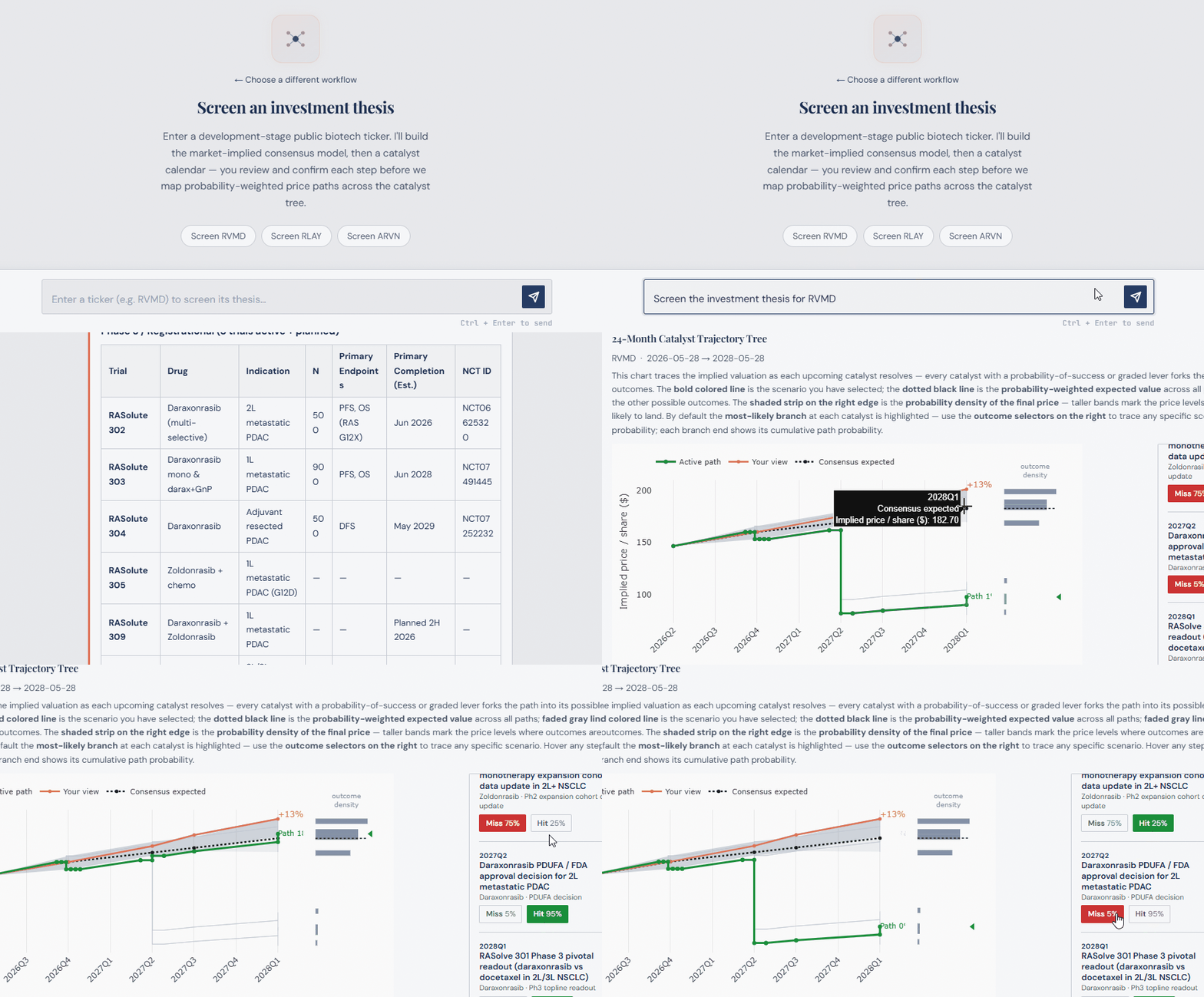
Reverse-engineer what’s priced into any biotech and map its catalysts. Screen a name for upside, or convert your fundamental research into estimated risk and returns.
Get access — $50 →
An AI-assisted workflow takes you from ticker to price target for any biotech name. Build a consensus model, map a probability-adjusted price path through catalysts, and see the potential upside. Agents do the first pass. You review their work. Then the agent projects the two-year price path and gives you a risk profile.
Select a ticker. The agent pulls the pipeline and builds a consensus model that backs into today’s stock price — so you can see, line by line, what the market has to believe to justify the price.
The agent lays out the catalyst calendar — readouts, PDUFA dates, approvals. Build a probability-weighted price trajectory tree across every catalyst, so you see where the asymmetry sits and what to diligence first.
Bring your fundamental research — a higher probability of success, a bigger market, a faster path — and the agent converts it into a price target, a risk profile, and probability-adjusted returns versus consensus.
Provide a ticker. The agent reverse-engineers a consensus model that reproduces the current market cap and exposes every assumption that drives it. Review and adjust the agent's assumptions based on your read of the market.
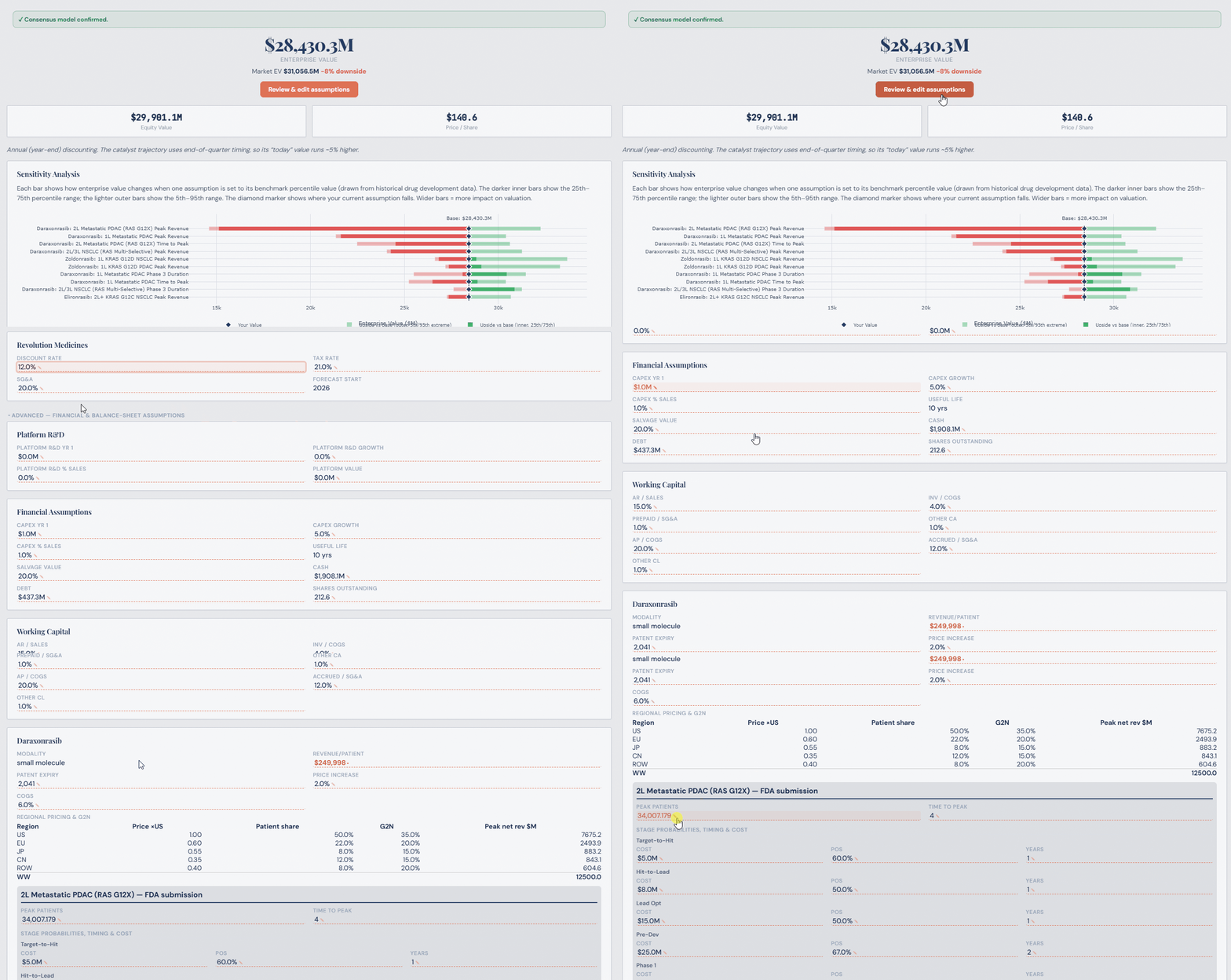
Reverse-engineer the consensus baked into any biotech valuation.
The agent creates a catalyst calendar. Review the events, and model upside/downside scenarios at each event — a higher peak-sales estimate, a better Phase 3 probability of success, a quicker approval. The agent builds build a probability-weighted price trajectory tree across every branch of the catalyst tree, so you see the full distribution of outcomes — not a single point estimate.
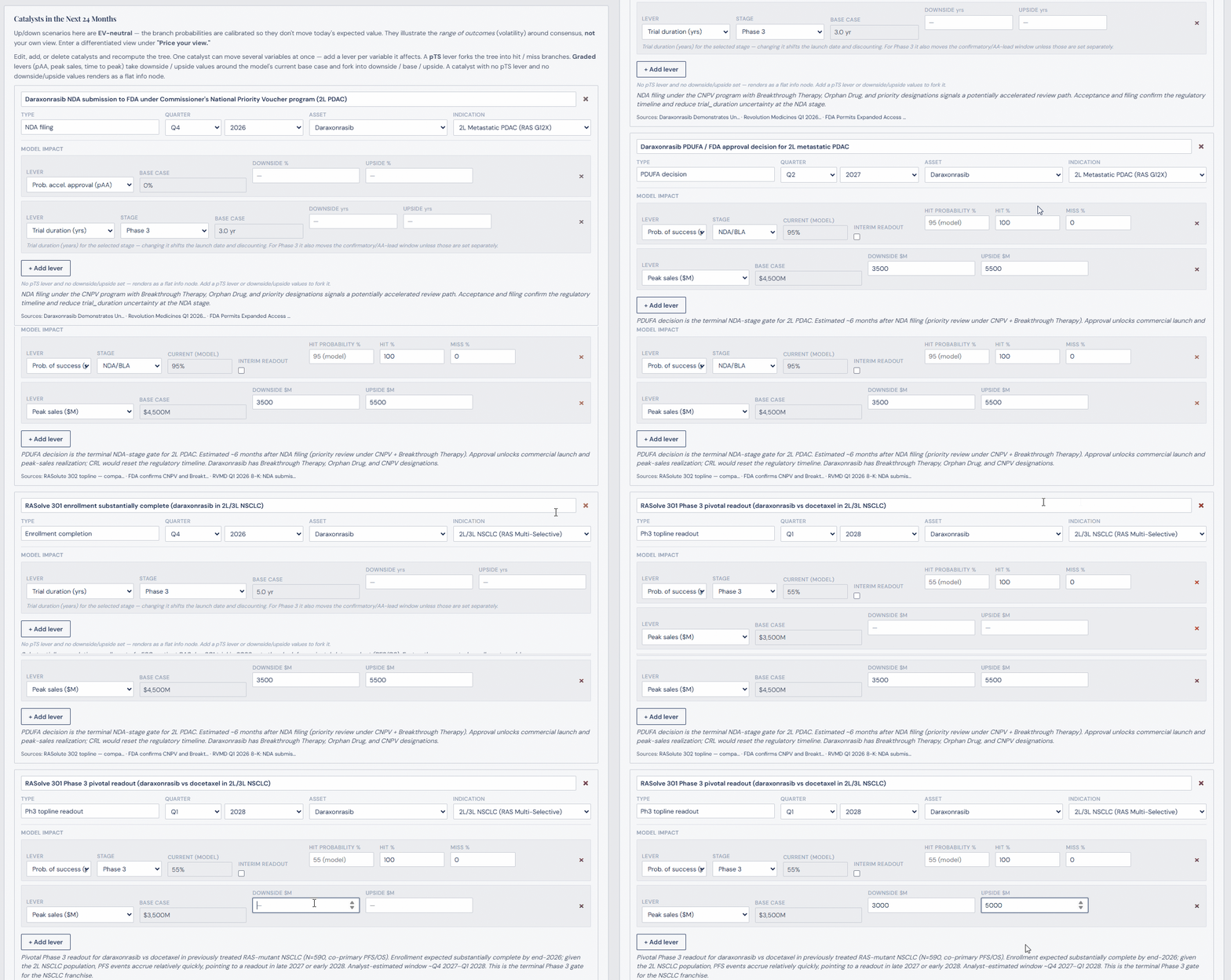
Map scenarios across every catalyst and see the probability-weighted paths.
State a divergent view and the agent converts it into a price target and probability-adjusted returns versus consensus. The research you’ve already done becomes a number you can size against.
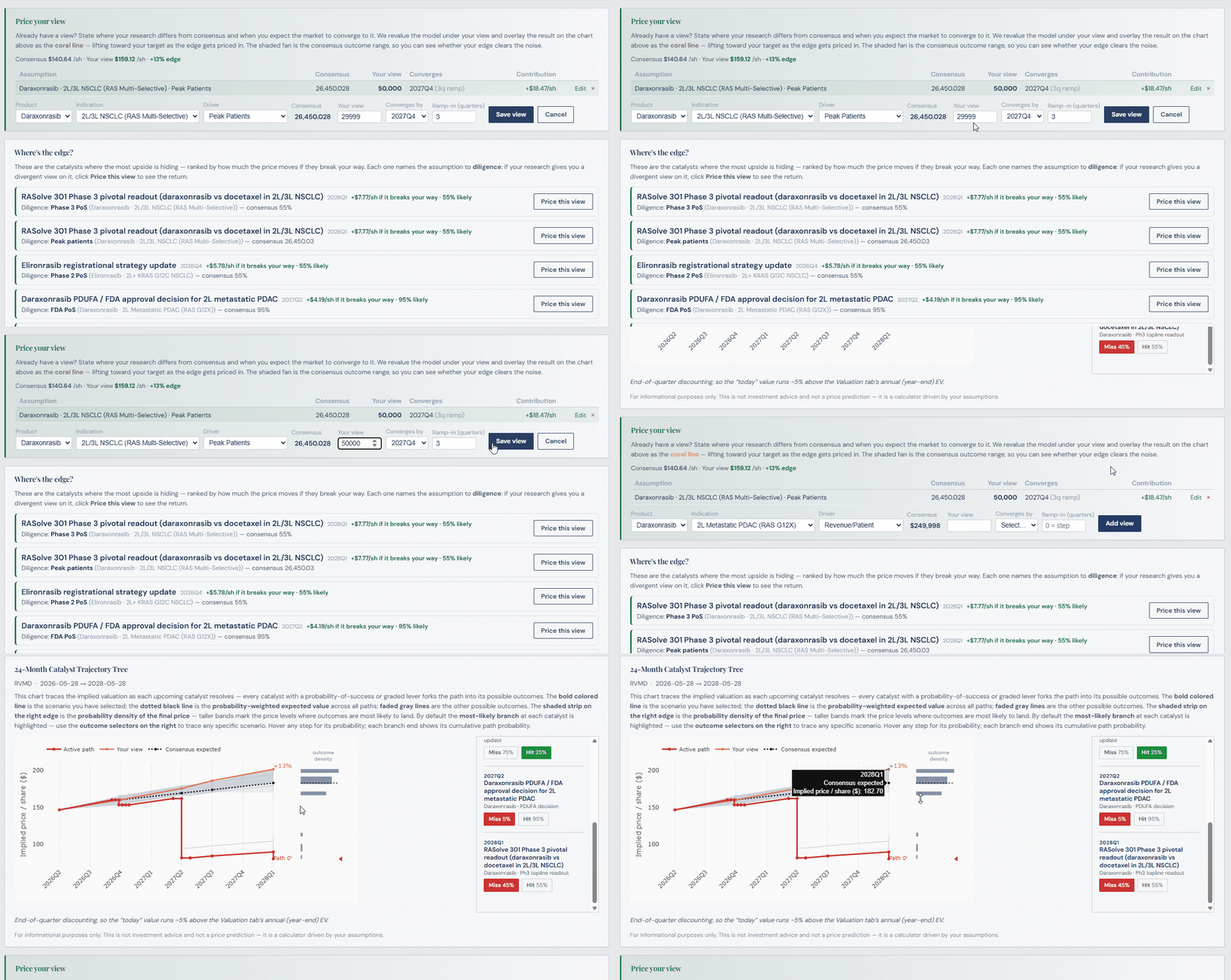
Turn your view into a price target and an estimated return.
A risk profile for every name: the probability tree of outcomes, the odds of a large drawdown at the next catalyst, and a Monte Carlo check on whether today’s valuation is in line with industry base rates. Sensitivity analysis flags which assumptions actually move the answer.
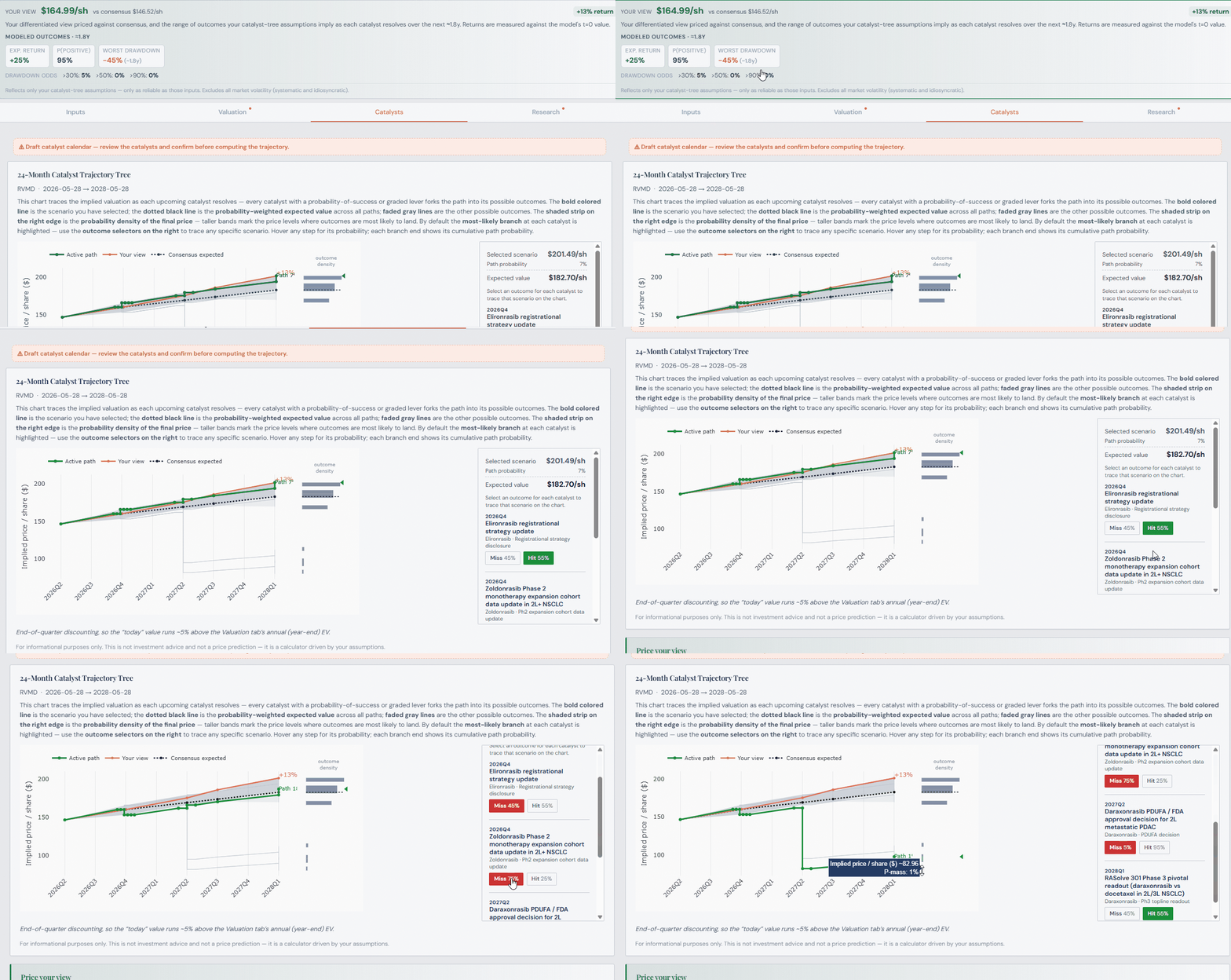
See your downside, drawdown odds, and how the price compares to base rates.
Specialized research agents do the legwork — real-WAC drug pricing, regulatory path-to-approval, clinical-development timelines and trial design, market sizing, FDA labels, and reading investor decks and SEC filings. Every assumption ships with its source, and the finished model downloads as a fully-functional Excel file whose formulas match the app exactly.
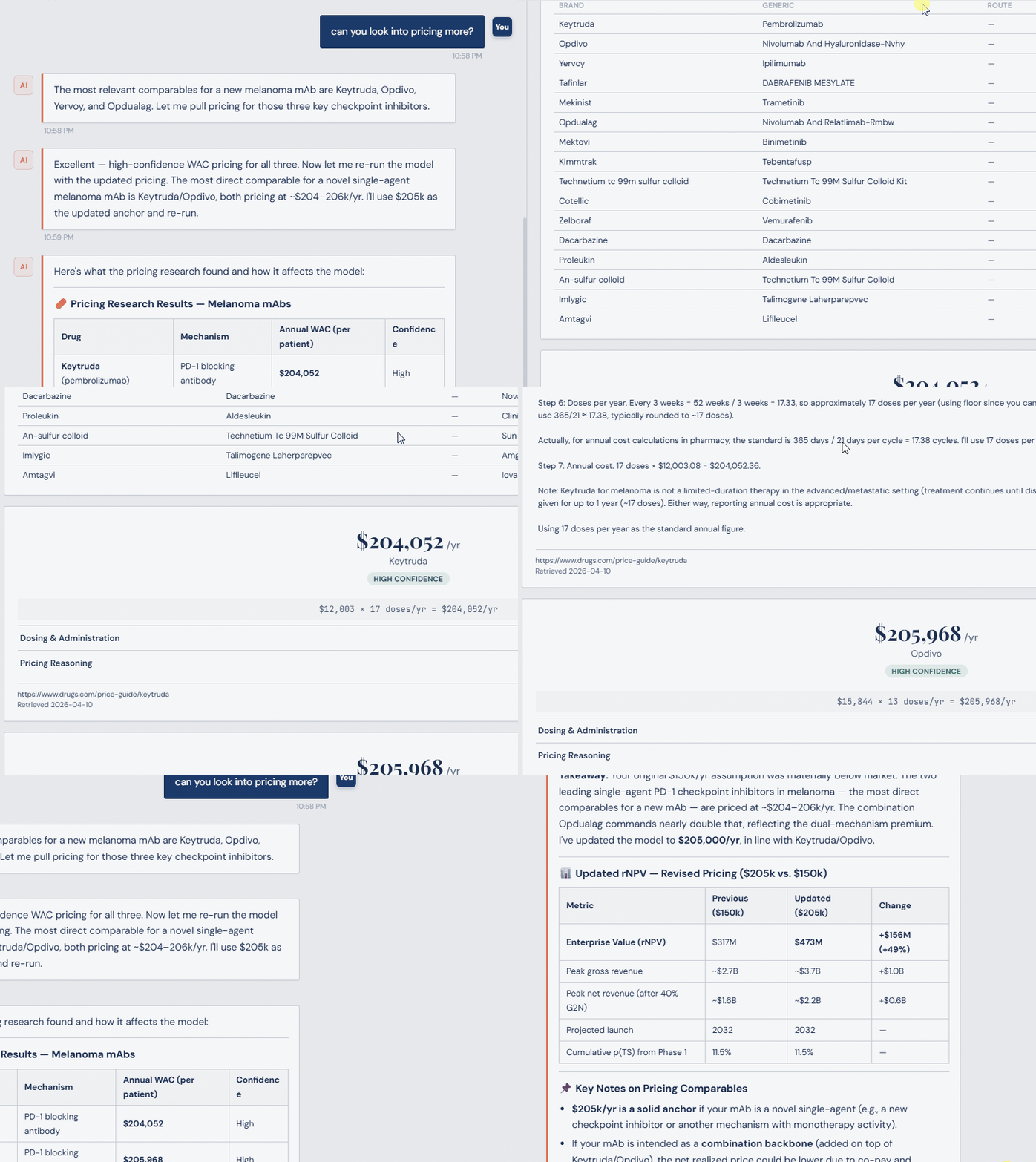
Automated, sourced biotech research — and a downloadable Excel model.
Try it with a $50 explorer credit — enough to reverse-engineer a consensus model, map a catalyst calendar, and put numbers on your own view of a name you know. No subscription.
Get started →